
Food choices can make a big difference in how comfortable any of us feel each day and that becomes even more significant for colostomy patients. The right diet helps your body digest smoothly and reduces gas or odor.
Adjusting to life with a colostomy takes time. People who have been through the surgery often want to arm themselves with information on what life will be like afterward. This incorporates everything from which foods to eat through to things like intimacy after the surgery.
Getting things right with diet and lifestyle can also keep you feeling confident about managing your stoma.
Getting Started with a Balanced Colostomy Diet
After surgery, your digestive system needs a little time to adapt.
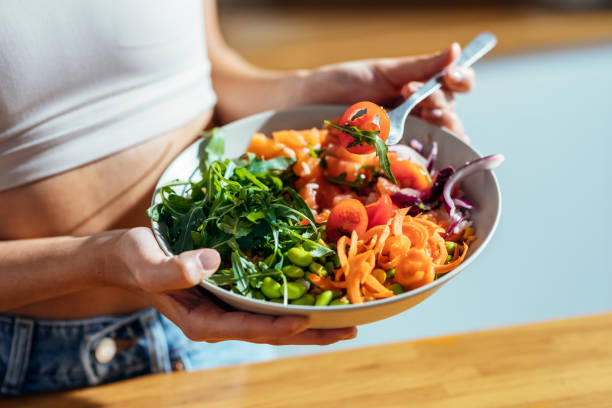
A healthy colostomy diet doesn’t look too different from any other healthy diet. It should include a healthy mix of food. Hydration is also key (of course) so drink plenty of water to replace fluids lost through your stoma. Herbal teas or diluted fruit juices can be great if you prefer something with flavor and they’re very unlikely to irritate your digestive system.
Foods Many Eat and Enjoy
There’s no specific rule. Our unique bodies all adapt in their own ways and have their own tolerances and preferences. However, there are some patterns that tend to crop up.
Many people find these foods gentle on digestion after a stoma:
- Cooked vegetables like carrots, pumpkin, and spinach
- Lean meats, fish, and eggs
- White rice, grains, pasta, and soft bread
- Ripe bananas or peeled apples (among other fruits)
- Yogurt and small portions of cheese
As you get used to your colostomy diet menu, reintroduce foods slowly. Keep a simple food diary to note how different meals affect your output or comfort level. There are phone apps that can help, but just keeping notes on paper is a great way to track what is working well for you (and highlighting what might trigger issues).
Diet Changing Your Routine?
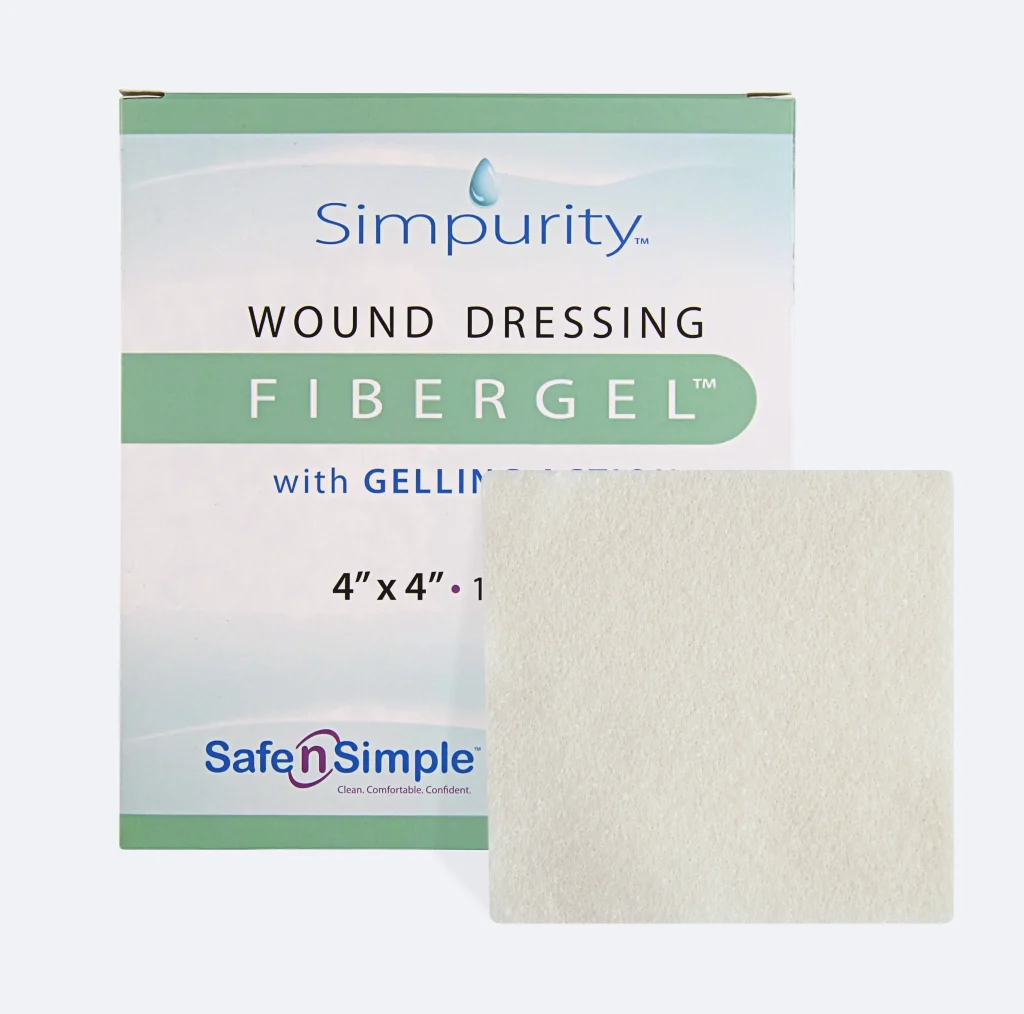
Paste and barrier rings help maintain a secure seal.
Foods to Avoid or Limit
Some foods are harder to digest and may cause gas or thicker output. Common foods that people choose to avoid with colostomy bag systems include beans. Vegetables like cabbage and onions may cause an issue for some. It is usually best to avoid fizzy drinks due to the gas they can cause. Fried or spicy meals may also irritate your system in the early months.
Certain fibrous items like raw celery and popcorn or even certain types of nuts may be difficult to pass through the stoma. These are also common foods to avoid with a stoma, especially soon after surgery. You’ll learn what your body handles best but a temporary ostomy diet after undergoing the surgery might help in the short term.
Helpful Care Tips
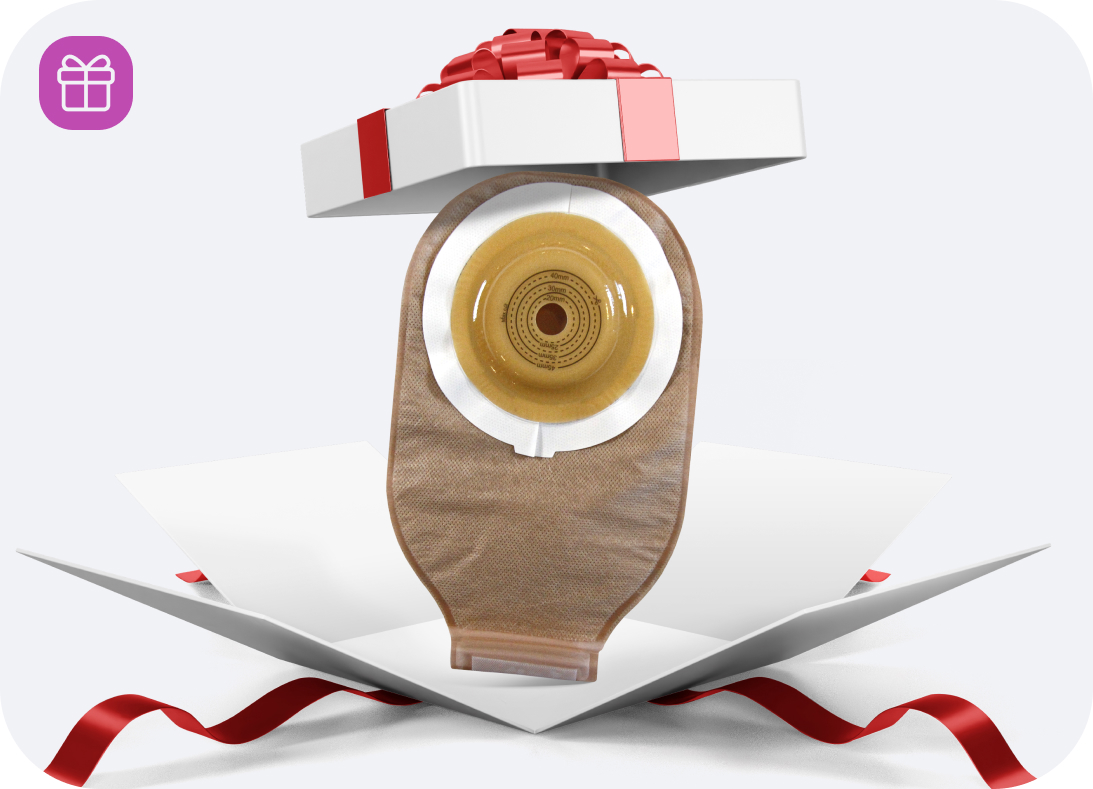
A comfortable stomach often means better appliance performance. If your skin feels sore or your seal loosens due to diet-related output changes, there are a wide range of products that can help.
Ostomy Paste can also help create a better fit and prevent leaks. Barrier Rings can give a sturdy surface for the pouch and account for the contour of the skin of body and are simple to use.
Maintaining a balanced colostomy bag diet is all about finding what works for you. Most people return to a full and varied diet within a few months and get back in the habit of enjoying meals with confidence again.