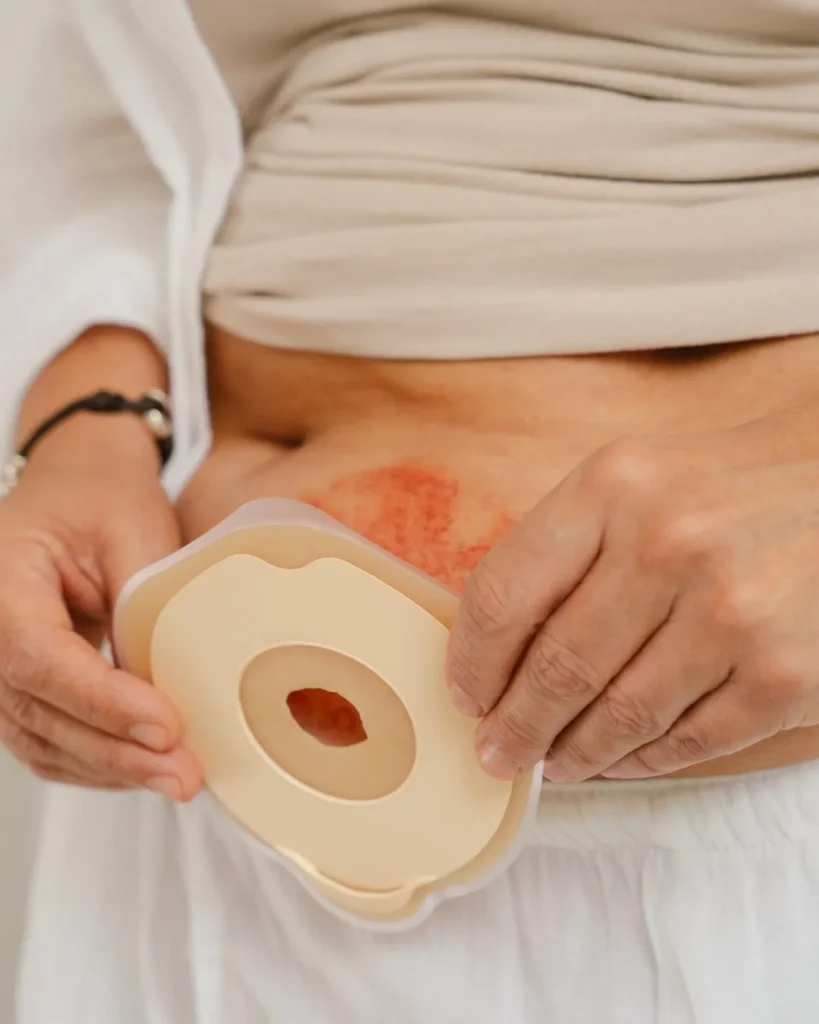

Surgical tape is designed to stay securely in place. It often does so using strong acrylate adhesives. That strength helps protect dressings and medical devices, but it can also make removal uncomfortable if the tape is pulled away too quickly or without the right product.
Improper removal can lead to Medical Adhesive-Related Skin Injury (MARSI), including redness, skin stripping, blisters, and tears. Choosing the right adhesive remover helps dissolve the adhesive bond so tape can be removed more comfortably while protecting the skin.
This guide compares the best types of adhesive removers for surgical tape and explains which option is most suitable for different situations.
We’ve also provided a full guide on How to Remove Medical Adhesive from Skin Safely.
Why Surgical Tape Needs a Proper Remover
Modern surgical tapes are designed to create a reliable bond with the skin. This is why simply pulling them off can damage the outer skin layers. Repeated tape removal is a well-recognized cause of MARSI. This can be a particular risk in people with fragile or sensitive skin.
A medical adhesive remover works by loosening the adhesive so the tape releases with much less force. This helps reduce discomfort and lowers the risk of skin trauma during dressing changes.
Another advantage is cleaner removal. Adhesive residue left on the skin can make future dressings harder to apply and may trap dirt or microorganisms. A purpose-made adhesive remover leaves the skin cleaner and ready for the next dressing or tape application.
A 2013 study by McNichol et al. called “Medical adhesives and patient safety: state of the science: consensus statements for the assessment, prevention, and treatment of adhesive-related skin injuries” explains that “Little guidance exists in the literature regarding appropriate selection and proper use of adhesive products to minimize medical adhesive-related skin injury.”
We believe that this knowledge is important for patients and improving their outcomes.
Types of Medical Adhesive Removers for Tape
Not all medical adhesive removers work in the same way. The right choice depends on the type of surgical tape and the condition of your skin. A gentle and alcohol-free remover is often the best place to start.
Alcohol-Free Adhesive Remover
Alcohol-free removers are often a good choice for routine surgical tape removal. They loosen the adhesive without causing unnecessary irritation and are suitable for frequent dressing changes and even damaged and fragile skin. Most modern formulations are no-sting and leave no oily residue. The skin is ready for a new dressing if needed.
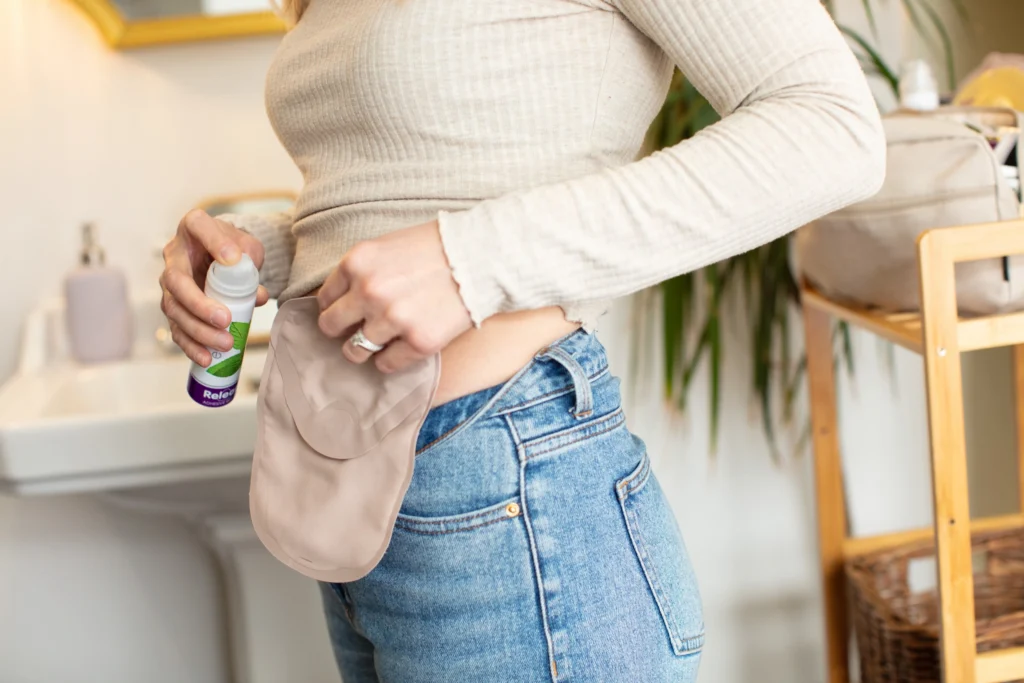
Safe n’ Simple Adhesive Remover Spray is a prime example. Its alcohol-free formula dissolves adhesive while remaining gentle on the skin. This makes it suitable for everyday use and larger taped areas.
Silicone-Based Adhesive Removers
Silicone-based adhesive removers are widely recommended in wound care because they release tape gently and help reduce the risk of skin damage. Some silicone medical tapes are designed to remove cleanly with minimal discomfort and often do not require an adhesive remover at all.
Silicone-based tapes and removers can be a good option for protecting vulnerable skin and for repeatedly changing dressings.
Alcohol-Based Adhesive Removers
Alcohol-based removers provide stronger dissolving power and are best reserved for stubborn adhesive residue or long-wear surgical tapes. They work quickly but may sting and dry the skin. This is more of an issue if it is already irritated or fragile.
For these situations, Safe n’ Simple Adhesive Remover Wipes with Alcohol offer a practical solution. They are intended for heavier adhesive buildup and should be rinsed from the skin after use. Applying a moisturizer afterward may also help reduce dryness. They should not be used on broken or raw skin.
The best adhesive remover is one that removes tape comfortably, leaves little or no residue, and matches both the condition of the skin and the strength of the adhesive.
Spray or Wipes for Tape?
Both formats are effective depending on the scenario. Sprays work well for larger dressings and hard-to-reach areas, while wipes are convenient for smaller sites and travel.
See our guide to Adhesive Remover Spray vs Wipes for a full comparison.
What to Look For in a Remover for Tape
When choosing a medical adhesive remover, look for products that offer:
- An alcohol-free, no-sting formula for routine use
- A residue-free finish that won’t affect re-taping
- Fast drying for efficient dressing changes
- Suitability for sensitive skin. This can include pediatric or elderly skin
- Latex-free ingredients where required
Alcohol-based removers remain a useful option when dealing with particularly stubborn surgical tape. They are generally best kept for occasional use rather than everyday dressing changes.
Safe n’ Simple Adhesive Remover Spray (Alcohol-Free) — Best for Most Tape
sns-medical.com/product/adhesive-remover-spray/
For routine surgical tape removal, an alcohol-free spray is the best choice for most people. Safe n’ Simple Adhesive Remover Spray is formulated to dissolve the adhesive bond so tape can be removed with less force. This makes a big difference in reducing discomfort and protecting the skin.
The no-sting formula is well suited to sensitive or post-operative skin. It also leaves no oily residue, so a new dressing or tape can be applied straight away. The spray format provides even coverage across larger taped areas and awkward locations that can be difficult to reach with a wipe.
The product carries HCPCS code A4455. It may be covered by insurance where applicable.
Safe n’ Simple Adhesive Remover Wipes with Alcohol — For Stubborn Tape
sns-medical.com/product/adhesive-remover-wipes-with-alcohol/
Some surgical tapes leave behind heavy adhesive that gentle removers cannot fully dissolve. Safe n’ Simple Adhesive Remover Wipes with Alcohol provide a stronger option.
The alcohol-based formula is designed for stubborn adhesive buildup and long-wear surgical tape. Each wipe is individually packaged, making it easy to keep a few on hand at home or while travelling.
These wipes are best reserved for occasional use so that the skin does not dry out. This can also be avoided by rinsing the skin and applying a moisturizer if needed. They are not recommended for broken or irritated skin.
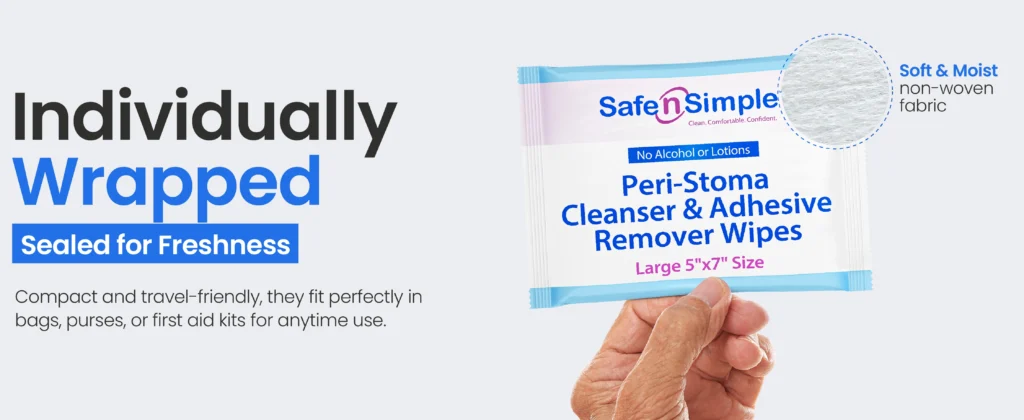
Safe n’ Simple Peri-Stoma Cleanser & Adhesive Remover Wipes (Alcohol-Free) — Gentle Wipe
sns-medical.com/product/adhesive-remover-wipes-without-alcohol/
Safe n’ Simple Peri-Stoma Cleanser & Adhesive Remover Wipes provide a gentle alcohol-free alternative for those who still want to use wipes. They remove adhesive while also cleaning the skin in a single step. This helps to greatly simplify dressing changes for anyone needing to use surgical tape.
The resealable packaging makes them convenient for travel or everyday use. They are particularly useful for smaller taped areas where a spray may not be necessary.
How to Choose the Right Safe n’ Simple Remover for Your Tape
The right product depends on the adhesive and your skin:
- Alcohol-Free Adhesive Remover Spray: Best for routine surgical tape removal, sensitive skin, post-operative care, and larger taped areas.
- Peri-Stoma Cleanser & Adhesive Remover Wipes: Ideal when you want to clean the skin and remove adhesive in one step or need a travel-friendly option.
- Adhesive Remover Wipes with Alcohol: Best for stubborn adhesive residue or long-wear surgical tape when alcohol-free removers are not enough.
Using a Remover on Tape
Using an adhesive remover correctly helps protect the skin and makes surgical tape much easier to remove. Start by applying the remover around the edges of the tape and allow it to work for around 15–30 seconds.
Gently lift one corner and peel the tape back slowly at a low angle while supporting the surrounding skin with your other hand. If the tape begins to stick again, apply a little more remover underneath and continue gradually rather than pulling harder.
Clean the area if needed and apply a moisturizer if the skin feels dry after removing the tape.
For a full step-by-step guide, including the “low and slow” technique and advice on preventing Medical Adhesive-Related Skin Injury (MARSI), see our article How to Remove Medical Adhesive from Skin Safely.
Sensitive, Fragile, Pediatric and Geriatric Skin
Delicate skin needs extra care during every tape change. Infants, older adults, people with eczema, and anyone who needs frequent dressing changes are at greater risk of skin damage if tape is removed too quickly or without an adhesive remover.
Alcohol-free removers are the preferred choice in this scenario. Safe n’ Simple Adhesive Remover Spray and Peri-Stoma Cleanser & Adhesive Remover Wipes are designed to loosen adhesive gently without leaving oily residue. This makes them suitable for routine use on sensitive skin.
Alcohol-based removers should generally be reserved for stubborn adhesive residue on healthy and intact skin when gentler products are not enough. Regardless of the product used, avoid dry-peeling surgical tape, as this increases the risk of skin stripping and many forms of MARSI.