
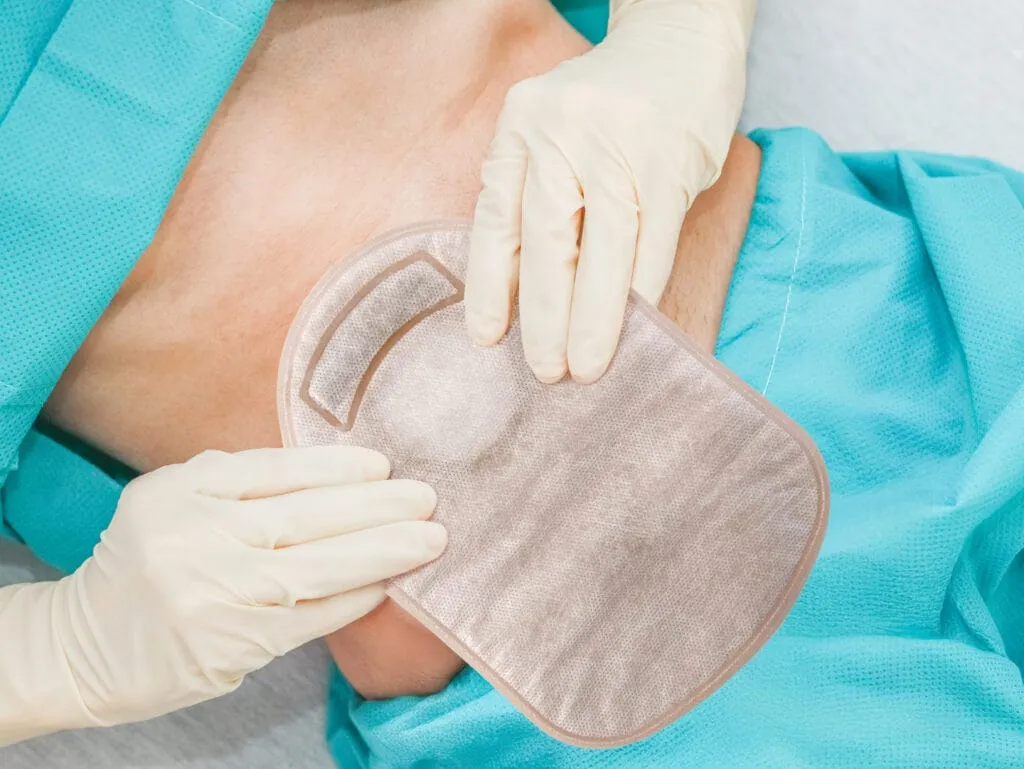
Ostomy surgery is more common than many people realize. It’s not a disease itself, but a solution. It is a medical intervention that allows waste to exit the body when the normal digestive or urinary routes no longer function properly. But what causes an ostomy, and why do some people need one?
Digestive Disorders and Inflammation
One of the most frequent answers to what causes ostomy disease is chronic inflammation of the bowel. Conditions like Crohn’s disease and ulcerative colitis can severely damage the intestines. When medication or other treatments fail, part of the bowel may need to be removed or bypassed with a temporary or permanent ostomy.
Inflammatory bowel disease (IBD) often affects younger adults, meaning people living with ostomies can be active, not just recovering from surgery.
Cancer-Related Surgery
Another major reason what causes an ostomy is bowel or bladder cancer. If tumours affect the colon, rectum, or bladder, surgeons may need to remove parts of these organs. When reconnection isn’t safe or possible, an ostomy provides a reliable way to eliminate waste.
Trauma and Emergency Operations
Severe abdominal injuries from accidents or wounds can lead to emergency ostomy creation. In these cases, damage to the intestines or bladder may make regular elimination impossible.
While emergency ostomies are often temporary, they’re lifesaving. These procedures allow the body time to rest and heal, sometimes followed by ostomy reversal once recovery is complete.
Preparing for Recovery?
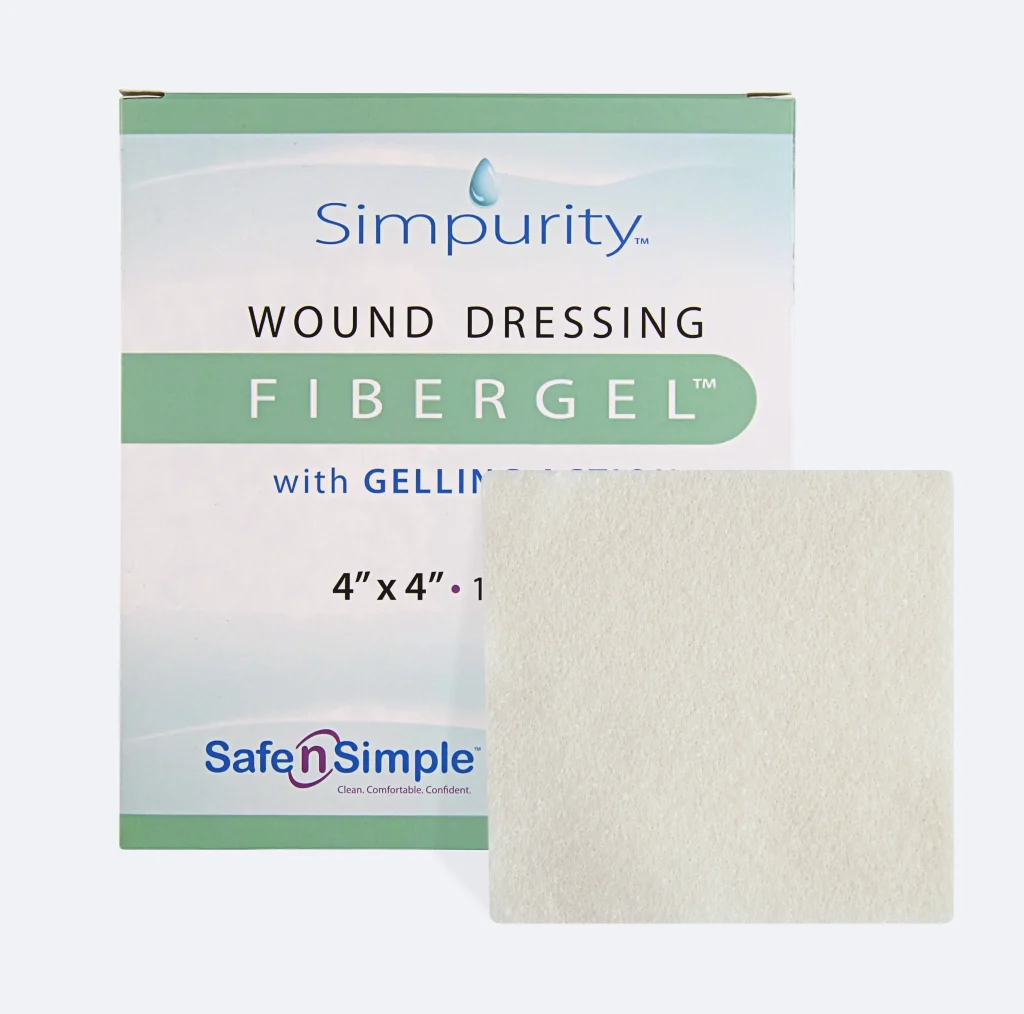
Explore products designed to support healing and daily comfort.
Birth Defects and Congenital Conditions
In children, congenital issues like Hirschsprung’s disease or spina bifida may disrupt normal bowel or bladder function. For these patients, early ostomy surgery offers a chance to develop and live a full life while managing their condition.
This is another case where what causes ostomy disease is not one single issue but rather a range of medical complexities that impact how the body removes waste.
Infections and Blockages
In rare cases, severe infections or repeated intestinal blockages can lead to tissue death, requiring partial removal of the bowel. This is especially true in elderly patients or those with weakened immune systems. Here too, an ostomy can be the safest long-term solution. A range of medical products can help people to manage their condition and keep the ostomy clean and functioning properly.
Conclusion
What causes ostomy surgeries could be a combination of chronic illness or congenital problems. It could also come from trauma or injury. Whether temporary or lifelong, the goal is always to protect health and give people the freedom to live well.