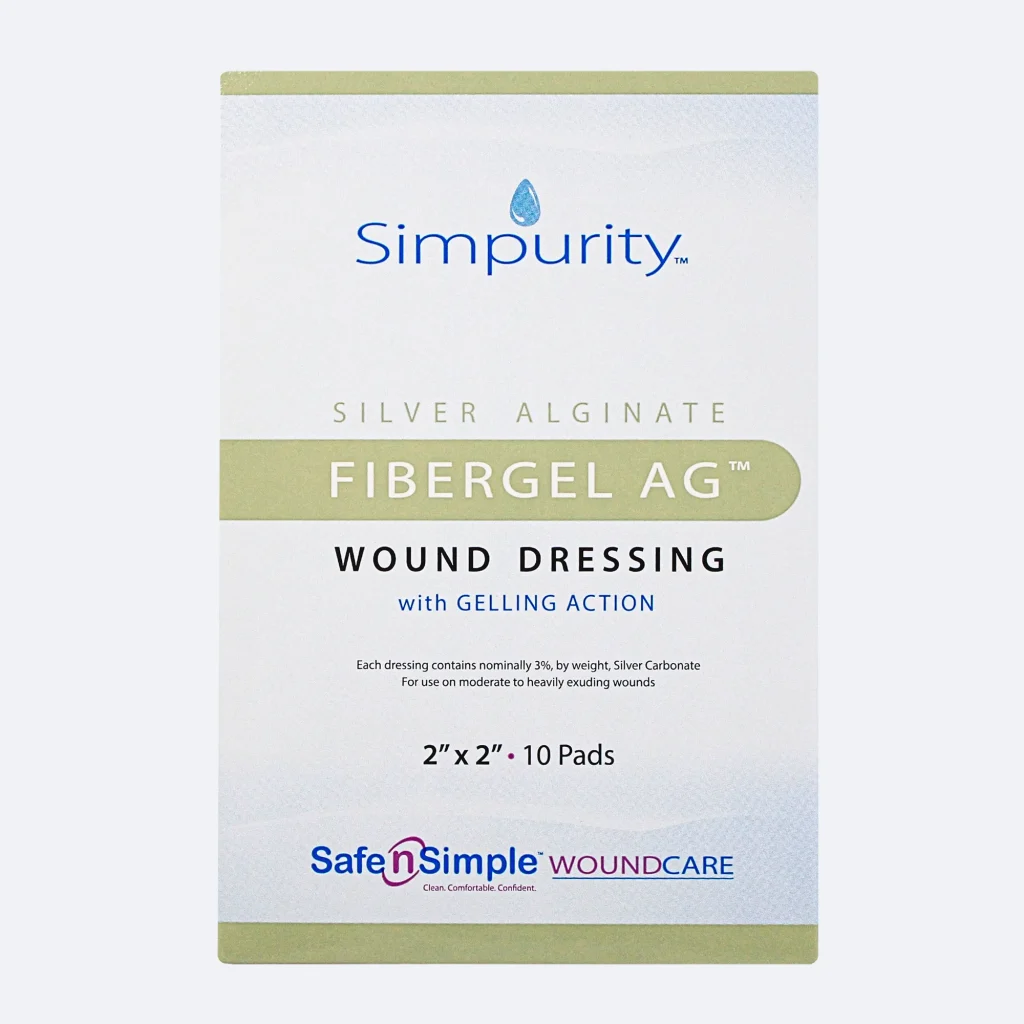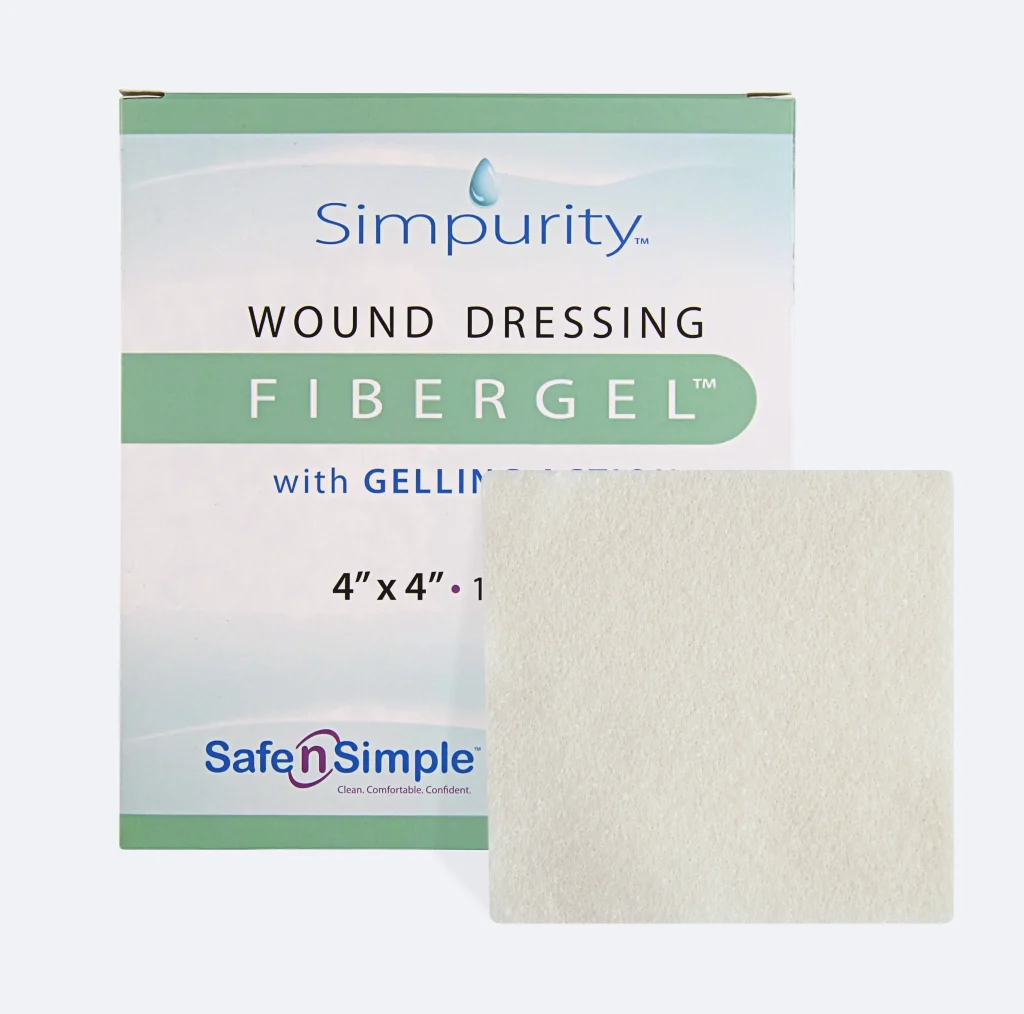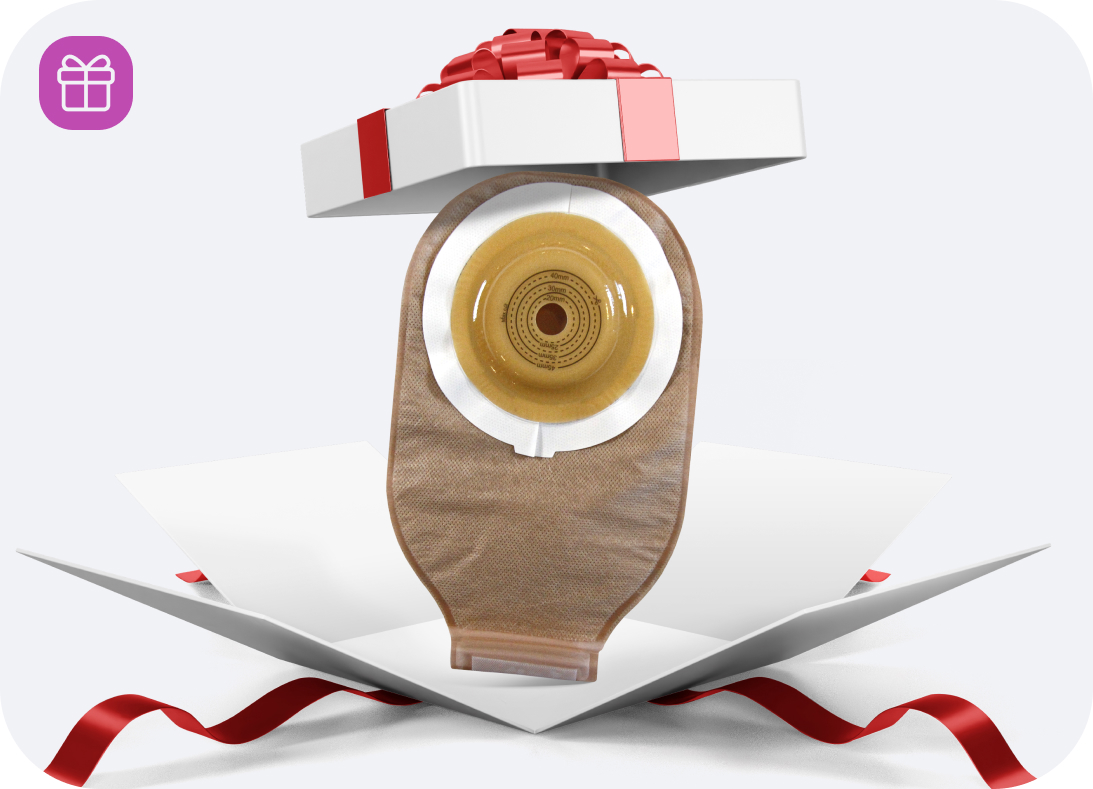

Safe N Simple LLC and Advamedica Announce Nationwide Distribution Partnership for MaxioCel® in the United States

[Clarkston, Michigan] – April 27, 2026 – Safe N Simple LLC and Advamedica Inc. today announced a strategic partnership for the nationwide distribution of MaxioCel® chitosan gelling fiber wound dressing across the United States. Under the agreement, Safe N Simple LLC will serve as a national distribution partner for MaxioCel®, helping expand product availability to healthcare providers and care settings throughout the U.S. “Adding MaxioCel to our portfolio is a natural fit with Safe N Simple’s mission to deliver advanced, accessible wound care across the U.S. Through our established distribution network and the recent HCPCS code approval, we can put a clinically differentiated chitosan dressing directly into the hands of the providers who need it, and ultimately, the patients who benefit most.” —Anthony Sajan, CEO, Safe N Simple MaxioCel® is an FDA 510(k)-cleared wound dressing indicated for the management of chronic and acute wounds such as pressure ulcers, venous ulcers, diabetic ulcers, donor sites, traumatic wounds, surgical wounds, and first- and second-degree burns, under the supervision of a healthcare professional. The partnership brings together Safe N Simple LLC’s established commercial network and customer reach with Advamedica’s wound care portfolio to improve patient access to MaxioCel® nationwide. “The U.S. represents a critical market for MaxioCel, and Safe N Simple’s depth in wound care distribution and reimbursement makes them the ideal partner to bring our technology to American clinicians at scale. We’re proud to see MaxioCel reach patients who can benefit from its unique chitosan-based properties.” — Leo Mavely, President, Advamedica MaxioCel® will be available through Safe N Simple LLC’s national distribution channels effective immediately. About Safe N Simple LLC Safe N Simple LLC is a provider of healthcare products serving customers throughout the United States through a national sales and distribution network. About Advamedica Inc. Advamedica Inc. is a medical technology company focused on wound care and hemostatic solutions for healthcare providers worldwide. Important Safety Information MaxioCel® should be used according to product labeling and under the supervision of a healthcare professional. Refer to the Instructions for Use for complete indications, contraindications, warnings, and precautions.
How Often Should an Ostomy Bag Be Emptied?

Anyone who has been through ostomy surgery will at some point wonder how often should an ostomy bag be emptied? The answer isn’t exactly the same for everyone. But there are clear guidelines that can help you stay comfortable through the day and protect your skin. General Emptying Guidelines An ostomy bag should generally be emptied when it is about one-third to one-half full. Waiting longer can cause the bag to become heavy. This often puts strain on the wafer and increases the risk of leaks and discomfort. Most people find they need to empty their bag several times a day. It depends on numerous factors including diet and the type of ostomy they have. Nursing guidance is critical to understanding how often should an ostomy bag be emptied by caregivers. Discuss with your nurses and check output regularly, emptying the bag before it becomes overfilled or heavy. This approach helps maintain good hygiene and reduces pressure. Drainable vs Closed Pouches Drainable ostomy bags are designed to be emptied multiple times per day and are commonly used for ileostomies and some colostomies. Closed-end pouches are typically replaced rather than emptied and are often used by people with more predictable output. The type of pouch used directly affects how often emptying or changing is required. Ostomy Types The type of ostomy can influence emptying frequency. People with ileostomies often have looser output and may need to empty more frequently throughout the day. Those with colostomies often have thicker output and may therefore end up with a more predictable schedule. Among people using colostomy bags, output can vary widely based on diet and digestion. If you notice your bag filling quickly after meals, that’s normal. People learn their body’s rhythm and can plan emptying accordingly. What Happens If You Wait Too Long? It is ill-advised to let the bag sit for too long. Overfilling can lead to discomfort and other issues. A colostomy bag full of stool becomes heavy and may even start to pull away from the skin. This can cause irritation or break the seal. Emptying earlier is always easier than dealing with a leak later. Regular emptying also supports better skin health. Output sitting in the bag can increase moisture and raise the risk of skin breakdown around the stoma. Lifestyle Considerations Daily habits play a big role in how often you empty your bag. Diet is a major factor as certain foods can increase output volume or speed. Many people find it helpful to follow a balanced ostomy-friendly eating plan and adjust foods gradually to see how their body responds. Activities are still important to people even after a colostomy bag is fitted. Swimmers often find that it is smart to empty your bag before getting into the pool or sea. Many people worry about whether they will be able to swim at all.The bottom line on how often should an ostomy bag be emptied? We advise that you keep a simple log for a few days. Tracking meals and emptying times can help you find your own routine. Always follow the guidance of your ostomy nurse or healthcare provider, particularly if output changes suddenly or becomes excessive.
Swimming With a Stoma: Can You Use a Stoma Bag?

If you’ve recently had ostomy surgery, you might wonder whether the fun days at the pool or beach are still possible. The good news is that they absolutely are. Many people return to swimming soon during recovery (once their healthcare team gives the all-clear for this). You may just need a few practical adjustments to get started. Getting Comfortable and Confident Can you swim with a colostomy bag? Yes. Modern ostomy pouches are designed to be waterproof and discreet. They seal tightly to the skin using products like ostomy paste to stay in place and prevent leaks. They stay secure even during movement. Before you get into the water you do need to make sure your wafer or barrier has been freshly applied to clean, dry skin. For those asking “can you swim with a stoma bag” the answer is the same. Your pouching system should hold firmly if applied correctly. Some people use stoma paste or barrier ring for extra protection around the edges, especially if they’ll be swimming for a long time. Types of Water and Added Care There are lots of scenarios people may swim in and water is a crucial consideration. Can you swim with a stoma? This depends on the type of water. What about in chlorinated or saltwater environments? Both are generally safe. Our advice is to always rinse and dry the area afterward – you’ll already know how getting water on your bag feels from showering or bathering, but pool chlorine can dry out skin and seawater may leave an unwanted residue. What about that day at the beach we mentioned? Can you swim in the sea with a stoma bag? Absolutely. Just be sure your pouch is sealed and your skin is well-protected. Many swimmers prefer using smaller or closed-end pouches for short swims. You can also enhance your chances of a successful swimming trip with waterproof barrier films. Clothing and Confidence Tips Confidence is a big obstacle for a lot of people post ostomy surgery. This is true of resuming everyday activities like swimming or even having sex. How can you swim with a colostomy bag and still feel comfortable in swimwear? It’s definitely possible for plenty of patients. High-waisted swim bottoms or specialized ostomy swimwear can conceal your pouch and help you move freely. It is normal to feel nervous about swimming with a stoma. Many people start with short sessions in places they know won’t be too busy. It may make you feel less self-conscious about the process and learn what you need to do to protect yourself for a few hours of swimming.
Colostomy Diet: Best Foods and What to Avoid

Food choices can make a big difference in how comfortable any of us feel each day and that becomes even more significant for colostomy patients. The right diet helps your body digest smoothly and reduces gas or odor. Adjusting to life with a colostomy takes time. People who have been through the surgery often want to arm themselves with information on what life will be like afterward. This incorporates everything from which foods to eat through to things like intimacy after the surgery. Getting things right with diet and lifestyle can also keep you feeling confident about managing your stoma. Getting Started with a Balanced Colostomy Diet After surgery, your digestive system needs a little time to adapt. A healthy colostomy diet doesn’t look too different from any other healthy diet. It should include a healthy mix of food. Hydration is also key (of course) so drink plenty of water to replace fluids lost through your stoma. Herbal teas or diluted fruit juices can be great if you prefer something with flavor and they’re very unlikely to irritate your digestive system. Foods Many Eat and Enjoy There’s no specific rule. Our unique bodies all adapt in their own ways and have their own tolerances and preferences. However, there are some patterns that tend to crop up. Many people find these foods gentle on digestion after a stoma: As you get used to your colostomy diet menu, reintroduce foods slowly. Keep a simple food diary to note how different meals affect your output or comfort level. There are phone apps that can help, but just keeping notes on paper is a great way to track what is working well for you (and highlighting what might trigger issues). Foods to Avoid or Limit Some foods are harder to digest and may cause gas or thicker output. Common foods that people choose to avoid with colostomy bag systems include beans. Vegetables like cabbage and onions may cause an issue for some. It is usually best to avoid fizzy drinks due to the gas they can cause. Fried or spicy meals may also irritate your system in the early months. Certain fibrous items like raw celery and popcorn or even certain types of nuts may be difficult to pass through the stoma. These are also common foods to avoid with a stoma, especially soon after surgery. You’ll learn what your body handles best but a temporary ostomy diet after undergoing the surgery might help in the short term. Helpful Care Tips A comfortable stomach often means better appliance performance. If your skin feels sore or your seal loosens due to diet-related output changes, there are a wide range of products that can help. Ostomy Paste can also help create a better fit and prevent leaks. Barrier Rings can give a sturdy surface for the pouch and account for the contour of the skin of body and are simple to use. Maintaining a balanced colostomy bag diet is all about finding what works for you. Most people return to a full and varied diet within a few months and get back in the habit of enjoying meals with confidence again.
Step-by-Step Guide to Using Ostomy Paste

Lorem ipsum dolor sit amet, consectetur adipiscing elit, sed do eiusmod tempor incididunt ut labore et dolore magna aliqua.
Ostomy Barrier Ring: How to Use It for a Secure Seal
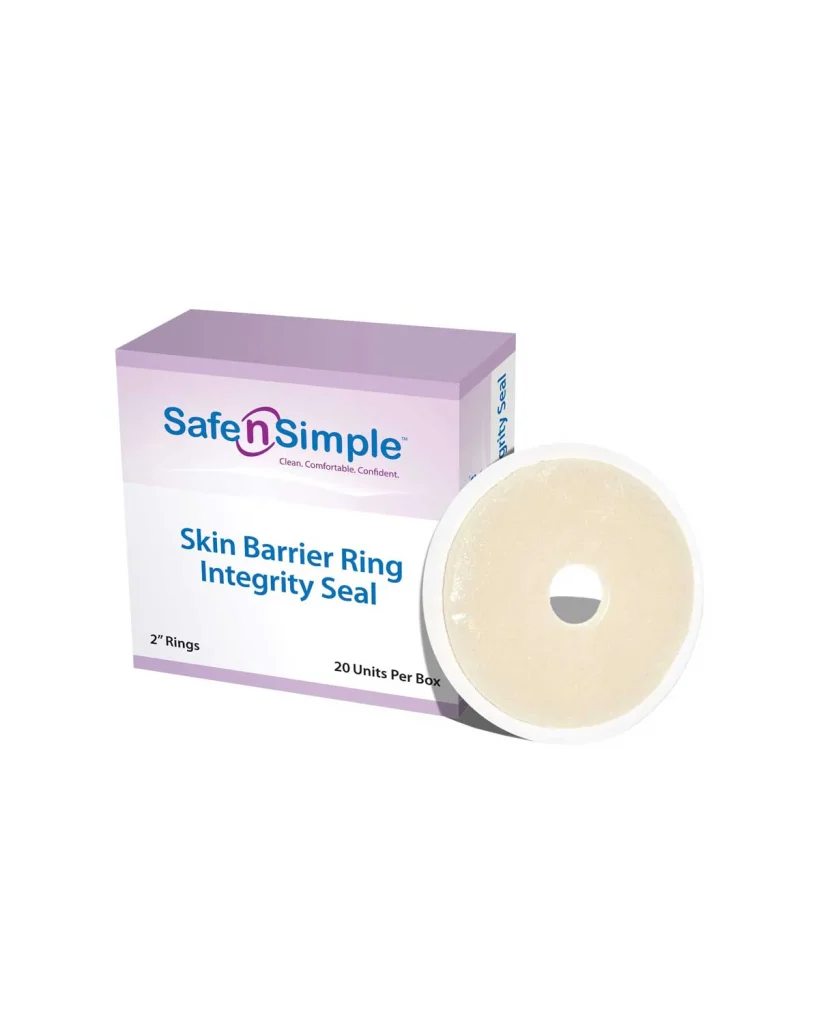
Strong seals are the foundation of any reliable ostomy system. One simple but effective accessory that helps achieve this is the ostomy barrier ring. They’re soft rings that sit neatly between the skin and the wafer. They fill the small gaps and creases to prevent leaks and protect sensitive skin. The ostomy barrier ring is made from skin-friendly materials that conform to your body’s shape. It works by creating a snug yet flexible seal around the stoma. Your pouching system can be secure through daily activity and you can have peace of mind. How to Use a Barrier Ring How to use a barrier ring for ostomy care? After cleaning and drying the skin around your stoma, remove the ring from its package and warm it slightly between your hands. You can stretch or flatten it depending on your stoma’s shape. It can be moved around and is malleable in the ways you need it to be. Place it gently around the base of the stoma and make sure there are no gaps. Then apply the wafer or baseplate directly over it. Press down firmly for a smooth seal. There should be less irritation and better adhesion from your pouching system. For extra guidance, SNS-Medical recommends pairing flexible and quality barrier rings with their skin barrier wafers or powders. Learning how to use a barrier ring for ostomy confidently may take a few tries and a bit of adjustment but it soon becomes part of your normal routine. Tips and Alternatives You might also want to learn more about how to use ostomy barrier strips properly if you have trouble with fit. These are long and flexible pieces that can be placed around the wafer’s edge for additional security. Some users prefer rings to strips. Patients may use both together depending on their skin type and activities they need to be ready for. Avoid stretching the skin too tightly and to replace the ring each time you change your pouch. The skin needs to be dry and stoma powder can absorb the moisture and ensure the right surface to start with. Check your ring size or speak to a stoma nurse for advice on how to apply ostomy rings properly to make sure that you are getting things right. Gently pressing the wafer into place after positioning the ring helps ensure proper adhesion and comfort. Learning how to apply a barrier ring to stoma correctly will help protect your skin. It can also boost your confidence.
Can You Have Sex with a Colostomy Bag?
Having a colostomy bag inevitably changes some elements of your life and it is natural to have questions about intimacy after ostomy surgery. Intimacy and closeness are absolutely possible in spite of the changes to your system. So can you have sex with a colostomy bag? The answer is yes. Most people do enjoy healthy and fulfilling relationships after their ostomy surgery. Understanding Intimacy After an Ostomy The body and your confidence may need time to recover from the surgery. Feeling nervous about sex with a colostomy bag is common. Your stoma doesn’t change who you are. It is a medical adjustment that can be managed discreetly and safely. People worry about things like life expectancy and anything that limits their life as well as wondering can you have sex with a stoma? The stoma itself has no nerve endings. Any gentle touch or pressure will not cause discomfort. Once your surgeon confirms you’ve healed properly then intimacy can usually resume safely. Post-stoma sex lives can return to the way things were before. Preparing for Intimacy Before becoming intimate, it helps to take a few practical steps: SNS-Medical offers discreet and low-profile pouching systems that sit flat under clothing. They’re ideal for confidence during intimate moments. These skin-friendly designs help you feel secure and supported no matter the situation. Having the right resources and supplies makes all the difference. Do’s and Don’ts of Intimacy with a Colostomy Let’s look at some simple do’s and don’ts. Do’s: Don’ts: Overcoming Emotional Concerns Many people worry about colostomy bag sex because of changes in appearance or fear of leaks. These feelings are completely normal and having the right supplies can make the difference. Pouches may be helped by things like powders and barrier films and dressings. Discuss your feelings with a stoma nurse or support group. Patients who have been through ostomy surgery might share positive stories about rediscovering intimacy. You’ll learn that stoma sex can be just as intimate and meaningful as before surgery. Staying Safe and Confident Worrying about the physical side of having a colostomy bag and sex? Remember that damage to the stoma is extremely rare. Avoid direct pressure and choose positions that don’t stretch or tug the pouching system.
Must-Have Colostomy Supplies for Daily Care
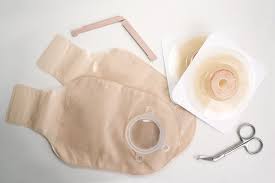
Managing a colostomy becomes much easier when you have the right tools for daily care. A well-organized kit helps protect your skin and give you confidence wherever you go. Below is a simple breakdown of essential colostomy supplies. Colostomy Essentials We’ve briefly explained some of the essential items for colostomy bags and supplies that people need to consider potentially stocking up on for their daily care needs. Pouching Systems and Barriers Every ostomy routine begins with a good pouching system. This includes a drainable or closed pouch and a protective skin barrier. This is also called a wafer. The pouch collects output, while the barrier keeps your skin protected and secure. SNS-Medical offers a full range of pouches and skin barriers designed for comfort and long wear. Our options fit most stoma types and are gentle on sensitive skin. Rings, Seals, and Pastes Uneven or creased skin can make it difficult to get a perfect seal. Barrier rings or paste help fill in gaps around your stoma to prevent leaks. These are essential colostomy care supplies for a lot of users and they make a big difference in comfort and adhesion. If you’re looking for effective barrier pastes and powders, SNS-Medical’s Skin Barrier Paste and Skin Barrier Powder are designed to protect skin and absorb moisture while helping the pouch adhere smoothly. Using a ring or paste also helps extend the wear time of your barrier. For people with dips or folds in the skin, applying a small amount of paste can help create a smooth surface and reduce irritation from leaks. Adhesive Removers and Cleansing Wipes Adhesive residue can irritate your skin if not properly removed. Adhesive remover wipes or sprays allow for painless and effective cleaning of the area. Gentle cleansing wipes help prepare your skin for a fresh application of a new bag. These are key parts of your supplies because they keep the area healthy and ready for your next change. Powders and Skin Protectants Minor irritation or moisture is common for new ostomy users. Barrier powders or skin prep sprays can help manage redness and prevent further irritation. Products like SNS-Medical’s Skin Barrier Powder are excellent examples of ways to make it easier to get a long-term stick. They absorb moisture and create a smooth surface for your pouch to stick to. Odor Control and Lubricants Many people use pouch deodorant drops or lubricants. These help control odor and make emptying the pouch easier. Safe n Simple Medical also offers deodorizing options for those looking for reliable odor control solutions. Lubricants can also help prevent pancaking. This is a situation where stool sticks to the top of the pouch instead of falling to the bottom. A few drops inside the bag after each change can help output flow naturally. Odor-reducing products make it easier to go about your day with confidence. SNS makes it simple by combining the two in one product. Assure C is an odor eliminator that also contains a lubricant and can provide the ultimate peace of mind. Support Belts and Accessories If you move a lot during the day, a support belt can keep your pouch secure and reduce skin strain. Other accessories and travel-size supply bags make life on the go easier. These may contain things like underpads and scissors. We recommend that you keep a small emergency kit packed with spare barriers and pouches in case of leaks or travel issues. Accessories like travel pouches or organizers keep supplies discreet and ready when you need them. Our Simple Colostomy Supplies List Try to keep on top of your supplies. Keeping a written list of your product names and codes makes reordering simple. If you travel often, store duplicates of your essentials in a small kit. Here is a simple colostomy supplies list: It is always worth being prepared. A quick search for colostomy bag supplies near me or colostomy supplies near me is useful if you ever need to replace an item quickly. But we offer direct online ordering and fast shipping so you can restock without leaving home.
How to Use Stoma Powder for Ostomy Care

Living with an ostomy means protecting the skin around your stoma is essential. An essential product to help with this is stoma powder. The powder can absorb moisture and help your pouching system stick better. Below is a practical guide to how to use stoma powder safely and effectively. What Is Stoma Powder (And Its Uses) Stoma powder is a fine, medical-grade absorbent powder designed to dry irritated peri-stomal skin. Among the key stoma powder uses are managing minor skin breakdown and “weeping” or oozing skin. It can also improve the adhesion of colostomy wafers. The powder’s absorption means that it may have other uses. Some people even use stoma powder for diaper rash as it helps with moisture absorption. Although it’s not specifically formulated for diaper rash. The powder is also sometimes used in related settings like using stoma powder for wounds, though its main design is for ostomy care. Safe n’ Simple’s ostomy skin barrier powder is tailor made to protect delicate skin and help with the crusting technique. People are also looking to better understand the properties of this powder before buying. Many people ask is stoma powder antifungal? Generally, it is not antifungal. Its role is to absorb moisture rather than to kill fungus or microbes. The stoma adhesive powder aspect refers to how the powder helps adhesives bond more securely by creating a dry base. The stoma powder ingredients are typically absorbents like calcium carbonate or similar compounds (though this depends on brand). Tips & Precautions SNS medical products can provide everything you need to look after your skin and bag after an ostomy.
Colostomy Wafer Sizes and Bag Options: Understanding Ostomy Wafers
Understanding wafer colostomy bag systems is essential for those who need ostomy bags. The wafer is the part of the colostomy appliance that sticks to your skin and secures the bag in place. It forms a barrier between the stoma and your skin. It can prevent leaks and protect the area from irritation. Choosing an appropriate colostomy bag wafer is important for comfort and hygiene. What is a Colostomy Wafer? A colostomy wafer is a flat or slightly curved adhesive barrier that attaches directly to the skin around the stoma. It is made of skin-friendly materials that provide a secure seal for the colostomy bag while remaining gentle on sensitive skin. The wafer’s opening is customized to fit the size and shape of your stoma. This should mean that waste is directed into the colostomy bag without touching your skin. SNS Medical offers a range of hydrocolloid wafers to suit every user. They may be flat or convex, standard or extended wear, cut-to-fit or pre-cut. The end result is secure comfortable ostomy pouch adhesion. Colostomy Wafer Sizes and Options Sizes vary to accommodate different stoma diameters and body shapes. Some wafers are pre-cut for common stoma sizes and others can be cut to a custom fit. Sizes typically range from small openings for narrow stomas to larger sizes for more prominent stomas. There are also flexible wafers that conform to body contours and specific sizes. This can be especially helpful for those with irregular skin folds or abdominal shapes. Choosing the right size for your ostomy is crucial. A wafer that is too small may allow leaks whereas a wafer that is too large can be uncomfortable and cause skin irritation. There are also different types of colostomy wafers. The range includes one-piece systems where the wafer and bag are combined and two-piece systems where the bag can be detached from the wafer for easy emptying.Ostomy systems don’t have to impact life expectancy or even quality of life provided they are properly cared for and maintained.