
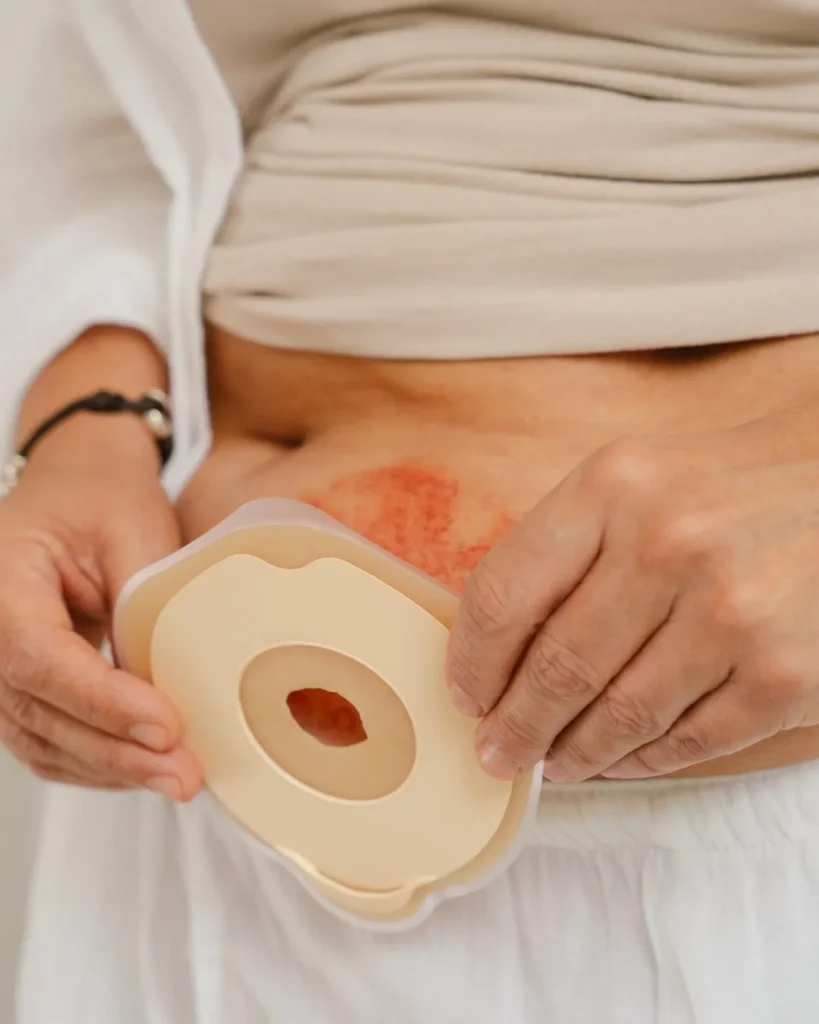
Issues with peristomal skin can be very frustrating for ostomy users. Keeping the skin around a stoma healthy is one of the most important parts of long-term ostomy care. Peristomal skin problems are sadly common. Studies suggest that around 85–88% of people living with an ostomy experience some form of skin complication. Many of these problems can be reduced or avoided with a simple and consistent skin care routine.
Healthy peristomal skin should look much like the skin on the rest of the abdomen. It should be smooth, dry, comfortable, and free from ongoing redness, soreness, or broken areas. Maintaining healthy skin not only improves comfort but also helps your pouching system form a reliable seal.
Our guide focuses on how to protect the skin around your stoma through everyday care and prevention. If you’re trying to understand why your skin has become sore, red, or irritated, see our companion guide on Ostomy Skin Irritation: Causes, which explains the different types of peristomal skin problems and what can lead to them.
Why Protecting Peristomal Skin Matters
Healthy skin provides the best possible surface for your ostomy barrier to adhere to. It is easier to achieve a secure seal that stays in place throughout the day if the skin is intact. That reliable seal helps keep stoma output away from the skin and supports comfort and confidence between pouch changes.
Irritated skin can be more difficult for the barrier to adhere properly. This can increase the likelihood of leaks and may lead to further skin damage and create a cycle that becomes increasingly difficult to break. Protecting the skin from the outset is much easier than managing ongoing irritation.
Put a Protective Barrier Between Output and Skin
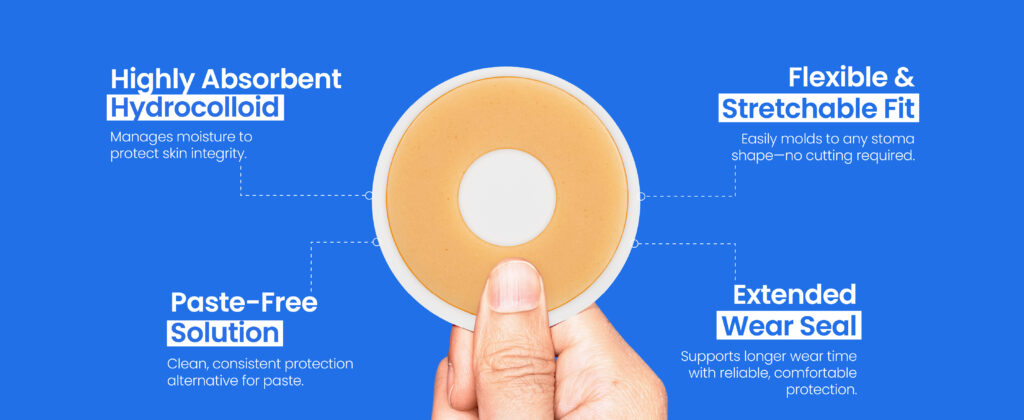
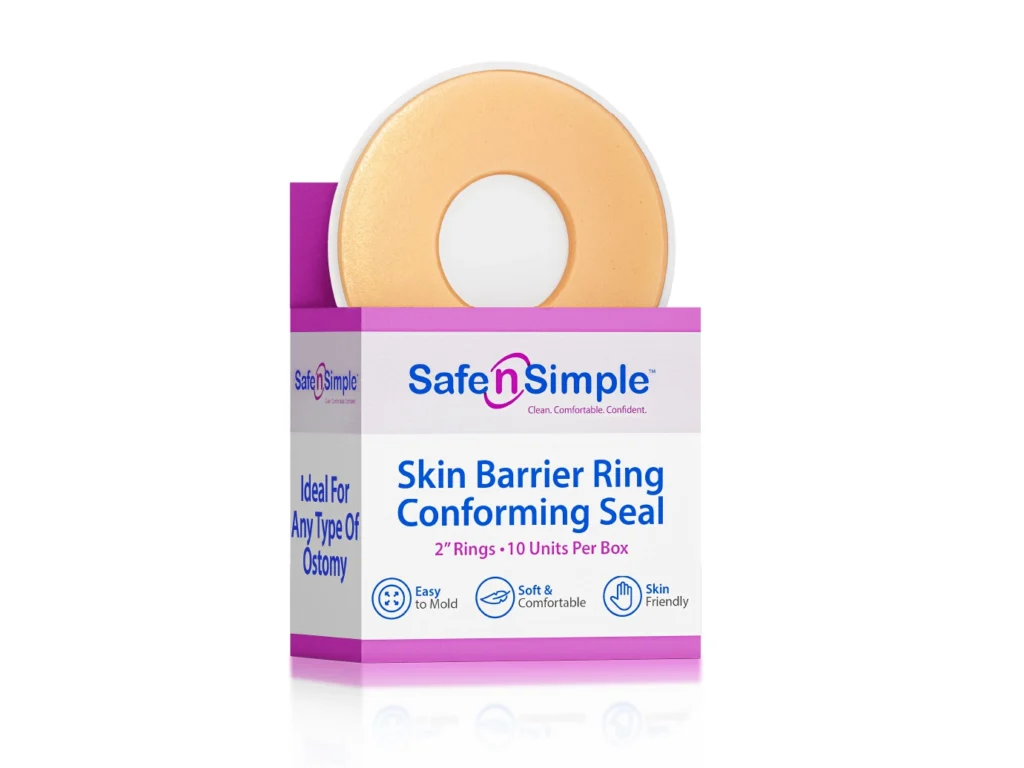
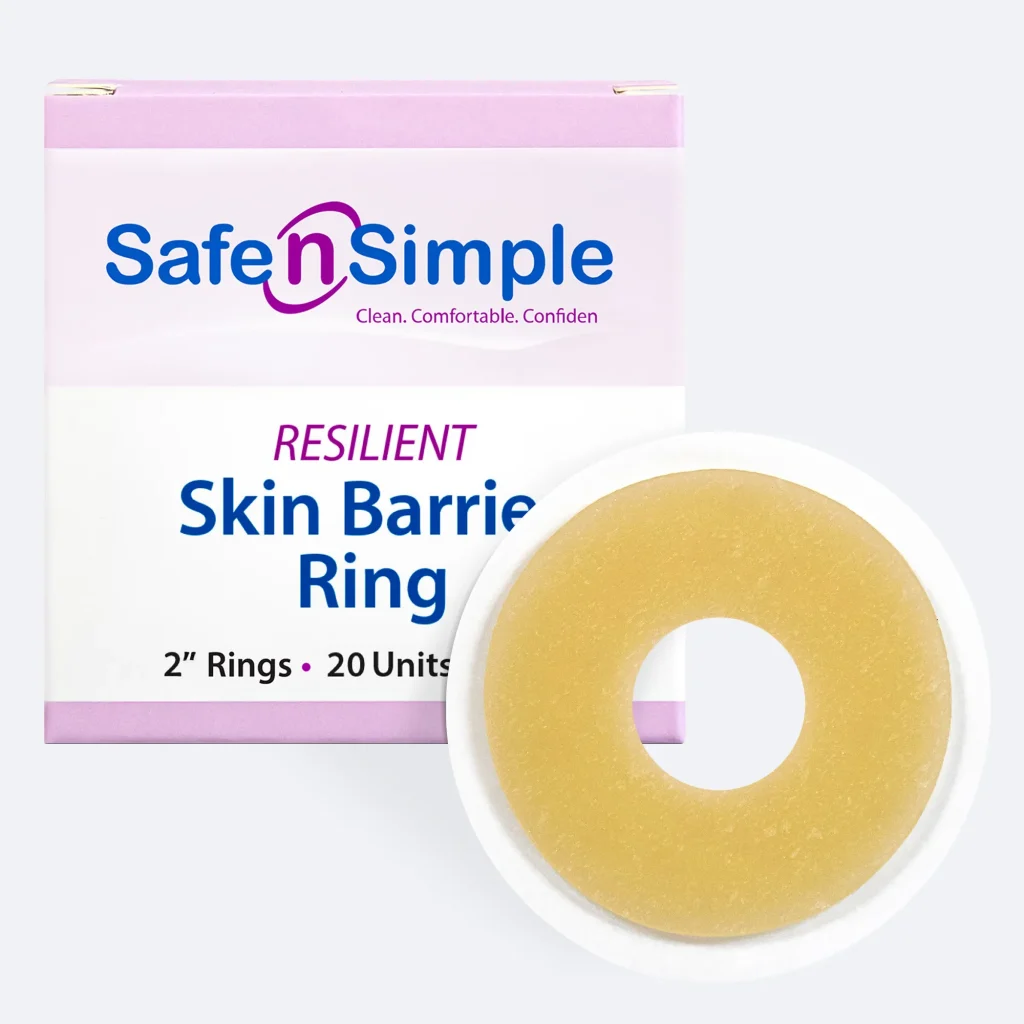
One of the most effective ways of protecting peristomal skin is to create a barrier between the stoma output and the surrounding skin. A well-fitting pouching system is essential but a skin barrier ring provides an additional layer of protection by helping to seal small gaps and reducing the chance of any stoma output reaching the skin.
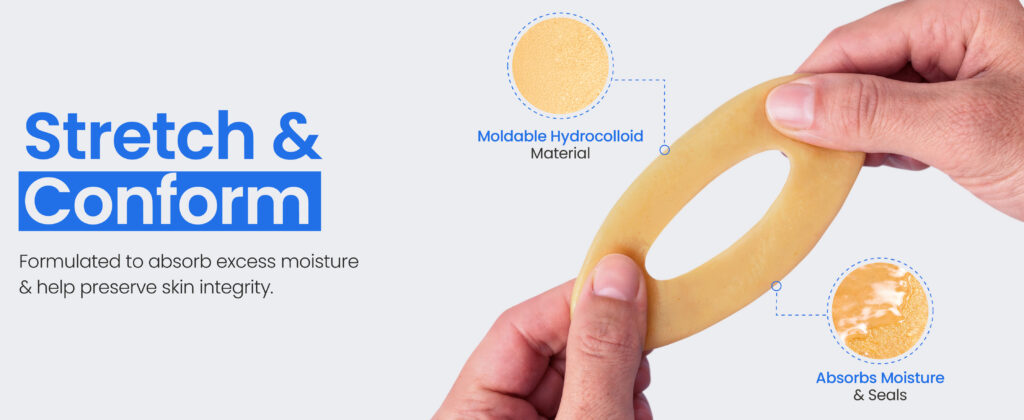
Barrier rings are designed to mould closely around the stoma. They can create a much more secure seal while also absorbing moisture around the stoma base. This helps keep the surrounding skin drier and supports a longer-lasting seal. Clinical studies have shown that barrier rings can improve peristomal skin condition by reducing leakage and protecting vulnerable skin. (https://pubmed.ncbi.nlm.nih.gov/30188392/)
For people with sensitive or easily irritated skin, the Safe n’ Simple Conforming Ring with Aloe & Zinc Oxide is designed to provide both a secure seal and gentle skin protection. The moldable ring creates a protective barrier against output while aloe helps soothe delicate skin and zinc oxide provides an additional protective layer. This solution is paste-free and moulds to the shape of the stoma so that it creates a close fit without adding unnecessary complexity to pouch changes.
Barrier rings are suitable for both routine ostomy care and for people whose skin needs a little extra protection. If you’d like guidance on fitting one correctly, see our How to Use an Ostomy Barrier Ring guide. This explains the application process step by step.
Protect Skin During Every Appliance Change
Protecting the skin isn’t just about what happens while the appliance is being worn. Every pouch change is another opportunity to keep the skin healthy. It is also a way to unintentionally damage it with excess force if you are not careful.
Removing the barrier slowly helps reduce the risk of medical adhesive-related skin injury (MARSI). Rather than pulling the barrier away from the skin, gently loosen one edge while supporting the surrounding skin with your free hand. Working slowly places less stress on the skin and helps preserve its natural protective layer.
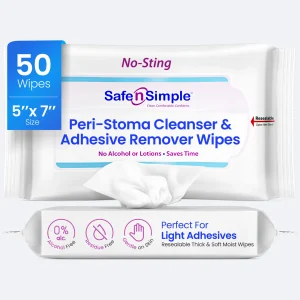
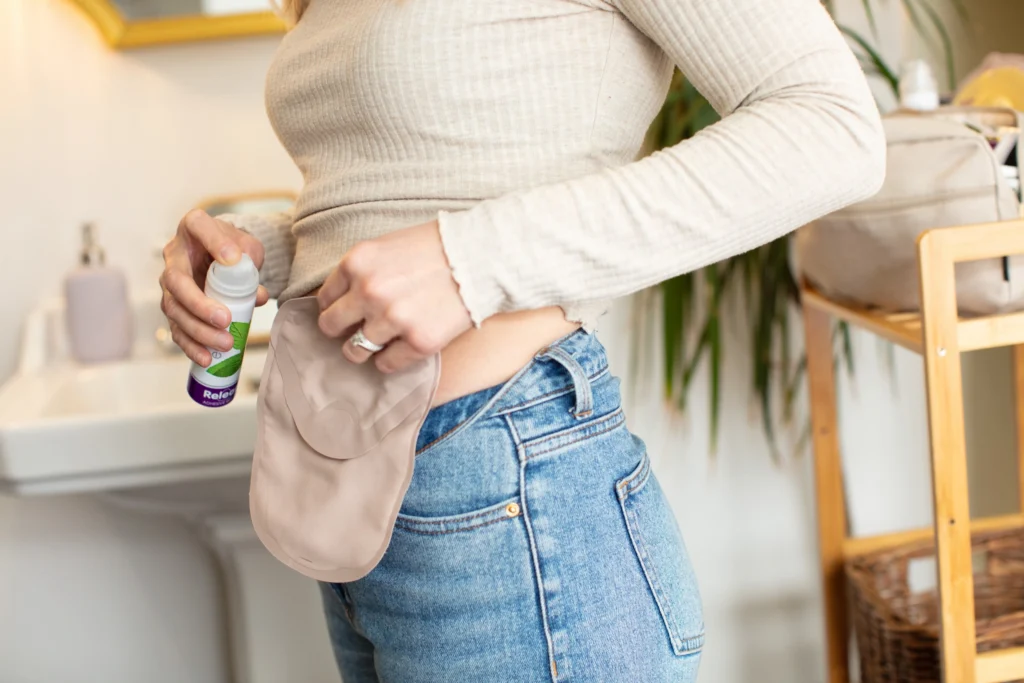
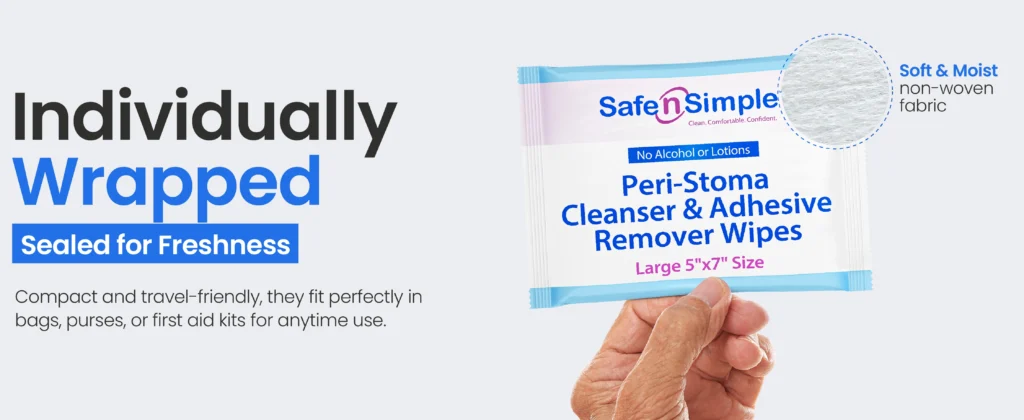
An adhesive remover can make appliance changes even gentler. This is especially helpful if the barrier is firmly attached or your skin is sensitive and reduces the amount of force needed during removal.
You can also check out our companion article on How to Remove Medical Adhesive from Skin Safely for further tips.
It is also worth avoiding pouch changes more often than necessary. Every appliance removal places some stress on the skin. A well thought out wear schedule helps reduce repeated trauma and supports healthier peristomal skin over time.
Clean and Dry the Right Way
A simple cleansing routine is another one of the best ways to support healthy peristomal skin care. Gently clean the skin around the stoma using plain warm water or a cleanser designed specifically for ostomy care before your new appliance.
Avoid soaps that contain oils or heavy fragrances. They can leave a residue on the skin. They may feel gentle but the remaining film can interfere with how well the skin barrier adheres. This can make it more difficult to maintain a secure seal.
There’s no need to scrub the skin vigorously. Gentle cleansing is usually enough to remove any residue while preserving the skin’s natural protective barrier. Pat the area dry with a soft and lint-free towel or cloth rather than rubbing it.
Always allow the skin to dry completely before applying your barrier ring and pouching system. Even small amounts of trapped moisture can affect adhesion. Taking an extra moment to ensure the skin is fully dry helps create the best possible surface for a secure seal.
Keep a Snug, Correct Fit
Stoma skin protection also needs a snug fit. The opening should fit closely around the stoma without leaving unnecessary skin exposed to output. Even small gaps can allow stool or urine to reach the surrounding skin.
A Safe n’ Simple Conforming Skin Barrier Ring helps create a more complete seal by moulding into natural skin creases and naturally uneven contours around the stoma. This helps prevent output from finding a path beneath the barrier while also absorbing moisture around the stoma base.
Barrier rings are particularly helpful where the abdomen isn’t perfectly flat. They adapt to the body’s shape without needing to be cut or shaped extensively beforehand. You can also explore our How to Stop Stoma Leakage guide if you are finding it difficult to get a perfect fit.
Balance Wear Time to Reduce Skin Trauma
Finding the right wear time is an important part of protecting the skin around your stoma. Changing an appliance too frequently exposes the skin to unnecessary adhesive removal and leaving it on for too long increases the risk of the seal breaking down.
A wear time of around three to seven days provides a good balance for most. But not that the ideal schedule varies depending on the type of ostomy, the pouching system used, activity levels, and individual skin needs.
If frequent pouch changes are contributing to skin sensitivity, Safe n’ Simple Longevity Skin Barrier Rings can help by supporting extended wear. By maintaining a reliable seal for longer, they can reduce how often the appliance and adhesive need to be removed, limiting repeated stress on the skin. The ring also incorporates aloe and zinc oxide on the protective surface to help support delicate peristomal skin during extended wear.
Extended wear should never mean stretching an appliance beyond the point where it is sealing effectively. The goal should always be to build a routine that keeps the skin protected while avoiding both unnecessary pouch changes and leakage caused by wearing the system for too long.
Check Your Skin at Every Change
Every pouch change is a good opportunity to take a quick look at the skin around your stoma. Healthy peristomal skin should look much like the surrounding skin on your abdomen. It should be smooth and free from persistent redness or excessive moisture.
Pay attention to any changes from your normal baseline. Redness that doesn’t fade, damp, broken, or weeping skin, or small areas of skin breakdown may indicate that your skin needs closer attention. Spotting these changes early makes it easier to discuss them with your healthcare team before they become more significant.
Many stoma nurses use the DET (Discolouration, Erosion and Tissue overgrowth) Score, also known as the Ostomy Skin Tool. This is a way to assess the severity of peristomal skin problems. You don’t need to score your own skin. However, taking a clear photo during each appliance change can help you monitor changes over time and provide useful information if you need professional advice.
When to See Your Ostomy Nurse
A healthy skin care routine can prevent many peristomal skin problems. But it isn’t a panacea. It’s important to seek advice if your skin isn’t improving.
Arrange a review with your WOC nurse or healthcare professional if you notice:
- Redness that persists or continues to worsen
- Broken, weeping, or bleeding skin
- Ongoing pain around the stoma
- A rash that spreads or keeps returning
- Skin changes that make it difficult to maintain a secure seal
Persistent skin problems aren’t something you have to live with. An ostomy nurse can assess your pouching system and recommend changes that help keep your peristomal skin healthy over the long term.