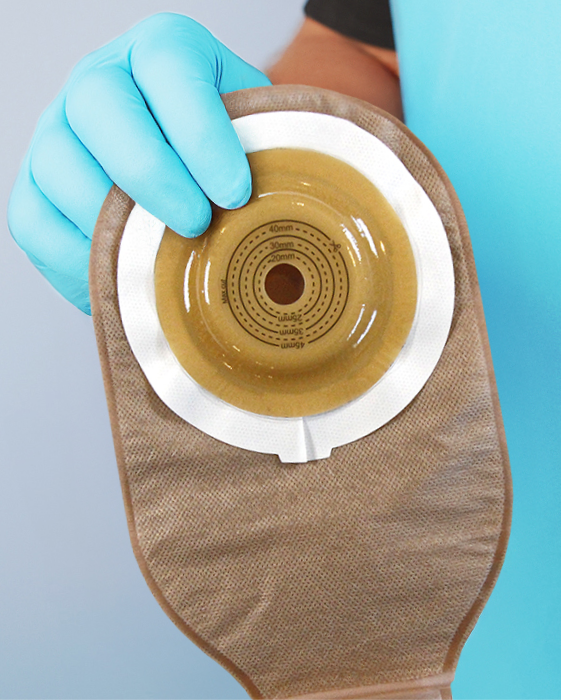


Odor is one of the biggest worries for people living with an ostomy. It can affect confidence through many areas of life: social plans, work, travel, and relationships.
In the Ostomy Life Study 2019, 62% of participants said they had avoided physical or social activities because of their stoma.
This article focuses on one question: why does my ostomy bag smell? It explains the main causes of odor from normal digestion to pouch leakage. There are also considerations around nutrition and equipment issues that might be the reason for unpleasant odors.
The Biology of Ostomy Odor — What’s Actually Happening
Stool and urine naturally contain waste products that produce odor. This is a normal part of digestion and metabolism. Bacteria in the digestive system break down food and release gases and chemical compounds. This includes sulfur-containing substances that create smells.
Without an ostomy, these odors stay mostly contained inside the body until a bowel movement occurs. An ostomy changes that process by redirecting output into an external pouch. Waste and bacteria continue interacting within the pouch after leaving the body.
Research using gas chromatography on ileostomy pouch gas has shown that much of the gas buildup inside a pouch develops after output enters the appliance. Bacteria continue fermenting digestive material inside the bag itself, producing gases and odor compounds over time. This is why odor can gradually increase even after a pouch has been emptied.
The exact smell can vary depending on the type of ostomy among other factors. Studies have also shown that diet makes a big impact. Things like hydration and how long output remains inside the pouch also matter.
Bacterial Breakdown of Waste Inside the Pouch
Bacteria from the digestive tract continue breaking down waste after it enters the pouch. This process produces gases and sulfur compounds such as hydrogen sulfide and methyl mercaptan. These are responsible for strong odors.
Even a newly emptied pouch can begin developing smell quickly because bacterial activity continues constantly. Heat from the body and longer wear times can accelerate this breakdown.
Gas Production and Buildup (Ballooning)
Gas naturally exits through the stoma throughout the day. That gas carries odor molecules with it. Many pouches use charcoal filters to vent gas and reduce smell. It is possible that filters can become blocked by moisture or output.
When gas cannot escape properly, the pouch may inflate or “balloon.” This increases pressure on the appliance and raises the chance of odor leaking around the edges.
Ready to Tackle the Smell?
Our pouch deodorants and tablets help neutralize odor right at the source.
Diet: Foods That Increase Odor
Some foods naturally produce stronger-smelling output because they contain sulfur compounds or affect digestion.
For colostomy patients, foods such as green vegetables, garlic, and onions are common triggers.
Ileostomy patients often notice stronger odor after fish, eggs, cheese, and other sulfur-rich foods.
In urostomy patients, asparagus, coffee, spices, and garlic can affect urine odor.
Food-related odor is usually a normal digestive response and does not automatically mean there is a problem with the stoma.
Pouch Leakage and Seal Failure
Leakage is one of the most common reasons people notice ostomy odor outside the pouch.
Even small gaps between the stoma and the skin barrier can allow gas or liquid output to escape. Causes include a poorly sized wafer opening as well as changes in body shape or weight. There can also be issues arising from oily or damp skin, worn-out products, or movement shifting the appliance during daily activity.
In the Ostomy Life Study of 2019, 76% of respondents reported leakage under the baseplate at least once per month. This affects a huge proportion of ostomy patients.
Infrequent Emptying or Changing of the Pouch
The longer waste remains inside the pouch, the more time bacteria have to produce odor and gas. A pouch that becomes too full also places pressure on the seal. This can increase the risk of leakage. Clinical guidance commonly recommends emptying the pouch when it reaches around one-third to one-half full. Always follow the advice of your clinical team.
Medications and Supplements
Certain medications and supplements can change the properties of stoma output. This could mean a stronger smell but also a change in consistency or volume. Antibiotics may disrupt gut bacteria and lead to stronger-smelling or watery output.
Iron supplements can darken stool and intensify odor. Probiotics and antacids may also alter digestive activity and change odor patterns in some patients. Even taking vitamins may alter the smell.
Illness and Infection
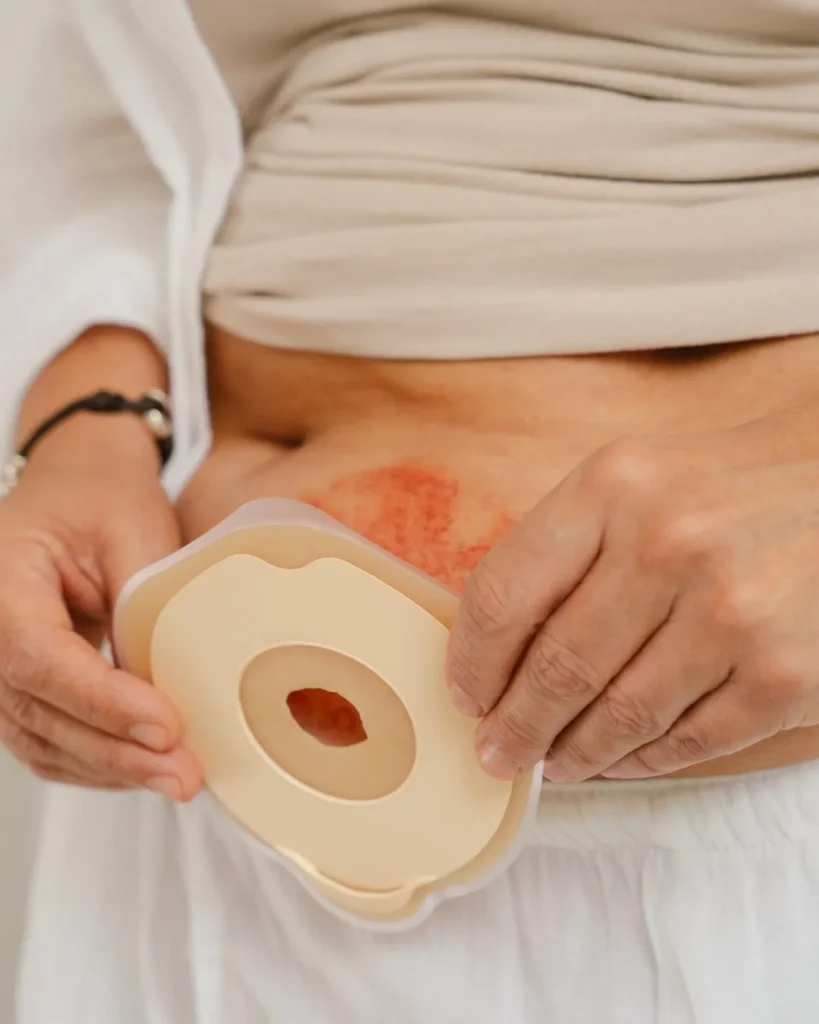
An unusually strong or unpleasant smell may sometimes signal a medical issue. Stoma infections can cause redness and pain. You may notice unusual discharge alongside odor changes.
Gastrointestinal infections may produce watery and foul-smelling output. In ileostomy patients, partial bowel blockage can cause cramping and forceful liquid output with a strong odor. Persistent unexplained odor changes should be assessed by a healthcare professional.
Worn-Out or Damaged Equipment
Modern ostomy pouches are designed with multiple protective layers that help contain gas and odor. Pouch materials can still potentially wear down and become less effective at blocking odor molecules. Charcoal filters may stop working once saturated. Older adhesive barriers may lose their seal. Friction from clothing and long wear times can all contribute to equipment breakdown.
Poor Peristomal Skin Hygiene
Odor can also develop from waste residue left on the skin around the stoma during pouch changes. Oils or leftover adhesive near the stoma may interfere with barrier adhesion and increase the risk of leakage. Moisture trapped under the skin barrier can encourage bacterial growth and contribute to ongoing odor problems even when the pouch itself appears sealed properly.
Does the Type of Ostomy Affect Smell?
Yes. Different types of ostomies produce different kinds of output. This affects how odor develops.
A colostomy usually produces more formed stool. Because waste spends longer in the large intestine, bacteria have more time to break it down. This often creates a more familiar stool odor and can also lead to increased gas production.
An ileostomy produces more liquid output from the small intestine. Odor tends to be influenced more heavily by diet. We’ve already explained the potential impact of sulfur-rich foods such as eggs, fish, onions, and garlic. Output may also change more quickly after eating.
A urostomy typically has a milder odor because it involves urine rather than stool. Things like hydration levels and medications make an impact. Foods such as asparagus and certain spices can noticeably affect smell.
Each ostomy type has its own normal odor profile. Differences in smell are not always a sign that something is wrong.
When Ostomy Odor May Signal Something Serious
Most ostomy odor is normal and related to bodily functions or the pouching system itself. A sudden or unexplained change in smell can sometimes indicate a medical problem.
Warning signs include a persistent foul odor unrelated to diet, fever, changes in output color or consistency, increasing skin irritation, swelling, pain, or unusual discharge around the stoma. Infections, bowel blockages, or appliance problems may all contribute to abnormal odor changes.
If odor becomes noticeably different or continues despite changing the pouching system, it is important to speak with a healthcare provider or WOC nurse. Persistent unexplained odor should never be ignored.