

What Is a Stoma?
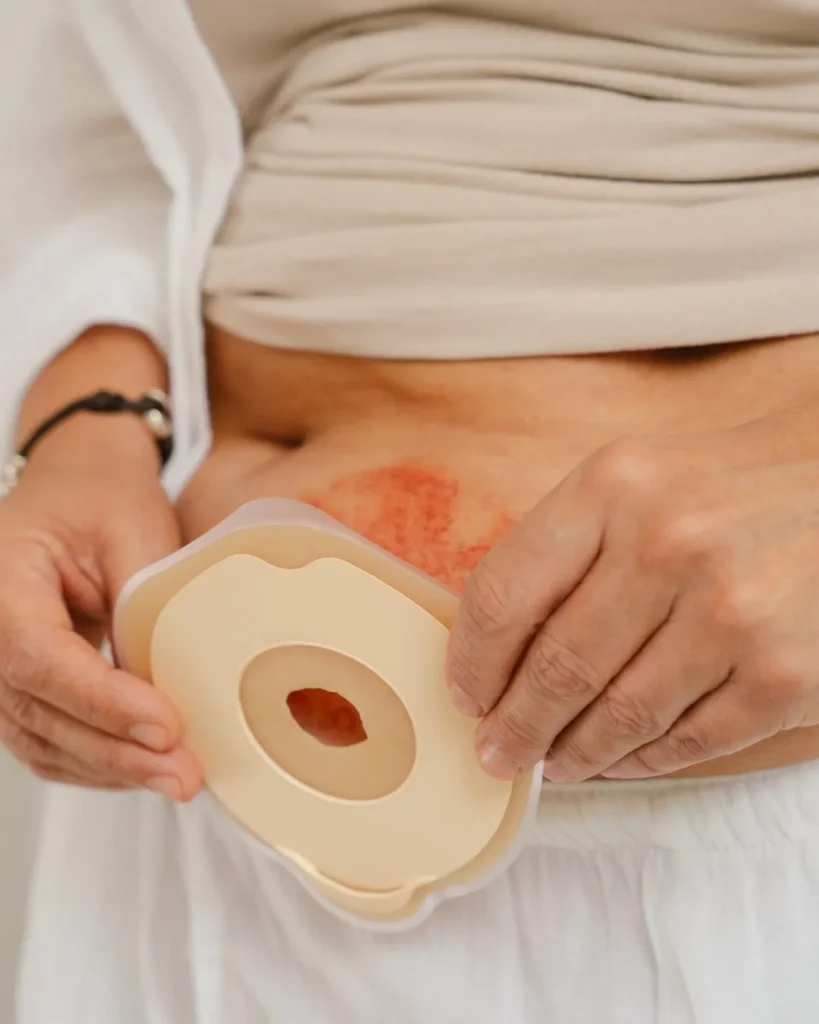
A stoma is an opening created surgically on the surface of the abdomen. It allows waste, such as urine or stool, to leave the body when it can’t pass through the normal route. The term answers the common question: what is stoma? It’s not a disease itself but a result of surgical intervention. You will also hear the term ostomy used. The ostomy meaning is the surgery rather than the stoma itself.
Why Is a Stoma Needed?
Stomas are needed when part of the digestive or urinary system isn’t working properly due to illness or injury. Conditions like bowel cancer or bladder damage may require a stoma to safely remove waste from the body, and understanding what causes ostomy can help patients prepare for treatment and recovery.
Types of Stomas
There are three main types of stomas. A colostomy diverts waste from the large intestine, while an ileostomy comes from the small intestine. A urostomy diverts urine from the bladder. If you’ve ever wondered what is an ostomy, this is the term covering the surgery itself, and learning about ileostomy vs colostomy can help patients understand the key differences.
How a Stoma Works
The surgeon brings part of the bowel or urinary tract through the abdominal wall. This creates the stoma. Waste exits the body through this opening into a pouch attached to the skin.
New to Stoma Care?
Find the right medical supplies to support your daily routine.
Life With a Stoma: What to Expect
Living with a stoma takes adjustment. With support and proper care, most return to everyday activities. Clothing and diet may need tweaks, and some use accessories like a stoma guard to protect the area, especially during physical activity.
How to Care for a Stoma
What is stoma care like? Stoma care involves changing the pouch regularly and checking for irritation or changes. It also means keeping high levels of hygiene. Keeping the skin healthy and using the right medical supplies can prevent most issues. Nurses and support groups can provide valuable advice and demonstrations.
Common Myths and Misconceptions
One major myth is that people with stomas can’t lead normal lives. In truth, many resume work and all other activities. Another false idea is that a stoma is always permanent. Some are temporary, depending on the condition. Contrary to some myths, having a stoma doesn’t mean poor hygiene.
When to Seek Medical Help
Contact a healthcare provider if the stoma changes color, bleeds excessively, or shows signs of infection. Sudden swelling, severe pain, or leakage may also need urgent attention. Any concerns should be discussed with a specialist to prevent complications.
Conclusion
A stoma can seem daunting at first, but it often improves quality of life. Understanding the reasons behind these procedures can help remove fear and stigma. Whether searching what is stoma disease or learning how to live with one, knowledge is the first step toward confidence and independence.